How to Choose a Fuel Storage Tank Manufacturer in China
Key points
- Buying from China can reduce the initial equipment cost, but material quality, product evidence and technical documentation need equal attention.
- Ask suppliers for specifications, test reports and independent inspection options to support their claims.
- Define the application, material, capacity and portability requirements before comparing prices. A low-priced tank that does not suit the work is not a saving.
Choosing a fuel storage tank manufacturer in China can offer cost advantages. It can also lead to equipment that misses the specification, shipping delays or a tank that does not suit daily transfer duties. The supplier's documentation is more useful than a catalogue alone.
This guide provides an evaluation sequence: define the tank you need, identify the relevant documents and approvals, then look for warning signs before placing an order.
Start by defining the tank you need
The appropriate tank depends on what it will contain, where it will operate and how it will move.
- Body material: correctly specified polyethylene can provide a lightweight, corrosion-resistant tank for diesel transfer. Steel offers rigidity and is often considered for large fixed installations. A generic plastic tank is not automatically suitable for diesel; resin grade and UV formulation matter.
- Capacity: a 1,000L portable tank may suit larger agricultural or construction operations, while 100–600L systems can serve smaller equipment. Different capacities can require different molds and structures.
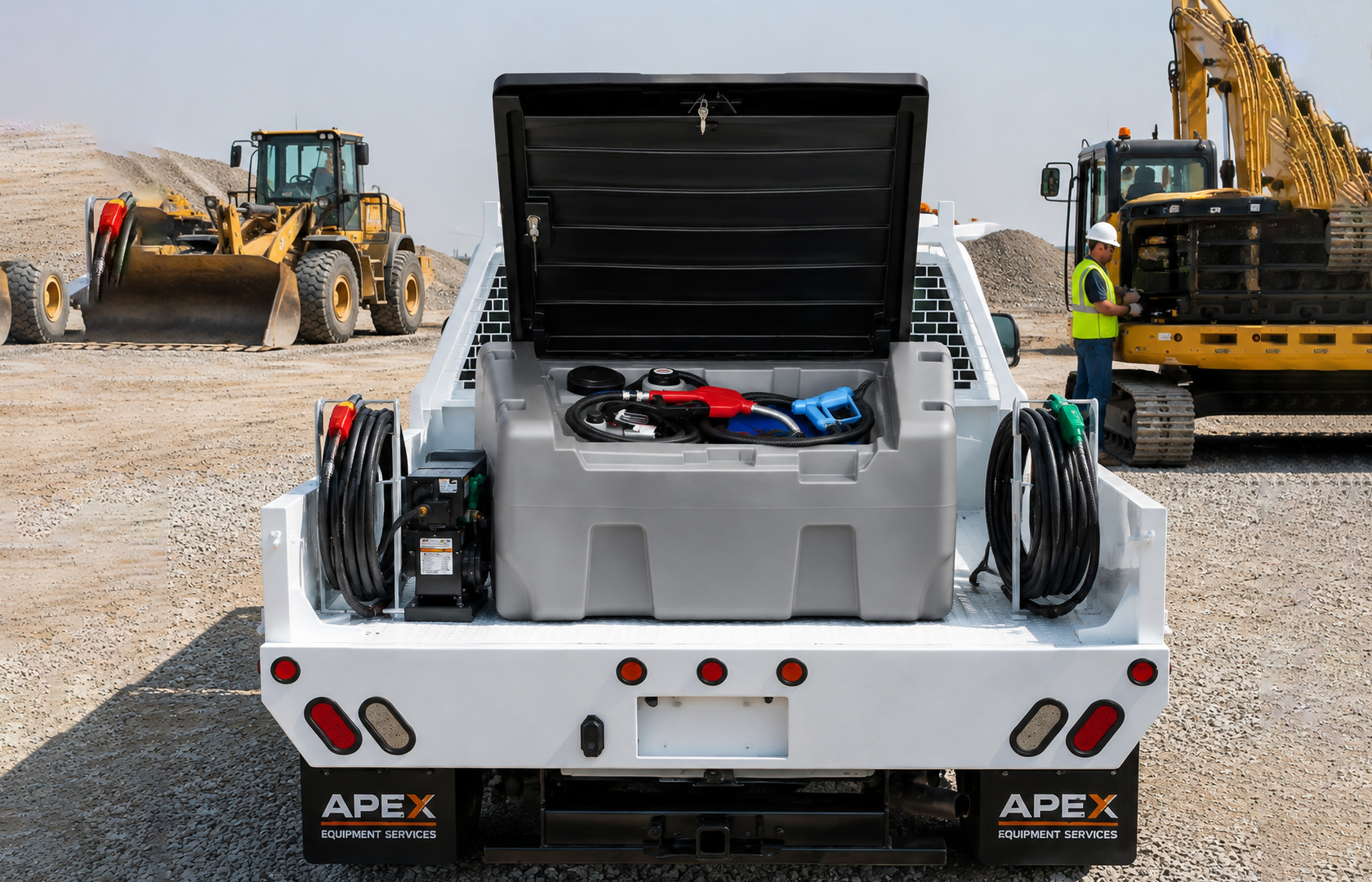
- Portability and equipment: establish whether you need wheels, forklift handling, a 12V pump, hose and automatic nozzle. Static storage and mobile transfer are different duties.
- Destination market: confirm which storage, handling, transport and installation requirements apply to the actual product and location.
A short written specification covering material, capacity, fluid, equipment and intended market makes price comparisons more meaningful.
Five criteria for evaluating a manufacturer
1. Material quality and chemical compatibility
Ask for the exact polyethylene resin grade and written confirmation of diesel compatibility. A tank intended for water or general chemicals may not be suitable for fuel.
Request the resin supplier, UV additives, nominal wall thickness and thickness tolerance. These details provide a more useful basis for evaluation than photographs alone.
2. Manufacturing process
Many portable polyethylene tanks use rotational molding. A controlled process should produce suitable wall thickness, a well-formed body and properly incorporated inserts, threads and connection areas.
Ask to see the production line, molds and thickness-control process. An experienced manufacturer should be able to demonstrate how the product is made and inspected.
3. Certification and product evidence
Distinguish the company's management systems from evidence for the particular product.
- A management-system certificate, such as ISO 9001, concerns the organization's quality-management system. It does not by itself establish that a particular tank is suitable for diesel.
- Product testing, approvals and conformity documentation must match the tank, equipment and destination-market requirements that actually apply.
Check the document's scope, model identification, issuing organization and validity. Do not treat unrelated certificates or a generic logo as proof of product suitability.
4. Technical documentation and quality control
A reliable documentation package can include:
- A data sheet describing material, dimensions, wall thickness and compatibility.
- Applicable leak, pressure, drop or thermal test reports.
- Material documentation.
- A quality-control plan and batch traceability.
For steel tanks, the appropriate documentation may also include mill test reports, welding procedures, nondestructive examination and relevant testing before shipment. The required evidence depends on the product specification.
5. Independent inspection
Ask whether the supplier will accept a factory audit or pre-shipment inspection by an independent agency such as SGS or TÜV. Willingness to support a meaningful inspection is a useful part of supplier evaluation.
Warning signs
- A supplier claims compliance with a standard but cannot provide the drawings, calculations or test evidence relevant to that claim.
- Only general company certificates are offered, with no evidence identifying the product.
- Independent inspection is refused and production photographs, references or real cases are unavailable.
- Different standards are mixed together without explaining which apply to the intended tank.
- The price is substantially below comparable offers while the specification and delivery promises remain vague.
Material quality cannot be established from a photograph. For a substantial order, obtain documentation and consider a physical sample before committing to production.
Logistics and U.S. destination requirements
A factory quotation is only part of the landed cost. Include freight, insurance, duties and taxes, inland transport, inspection and transit time.
Confirm the requirements relevant to the intended storage, handling and transfer application with the appropriate authorities and qualified advisers. Ask the supplier which conformity documents it can provide for the destination market and consider checking the goods before shipment.
A practical decision framework
- Define the material, fluid, capacity, equipment and destination market in a written specification.
- Shortlist three to five suppliers and request the same documentation package from each.
- Compare materials, process control and test evidence alongside the unit price.
- Request a physical sample, or suitable inspection evidence where appropriate.
- Agree the final specification, warranty and delivery terms in writing.
A complete transfer system can reduce the number of separate components you need to specify. Review the actual pump voltage, rated flow, hose, nozzle, material and capacity rather than assuming every package is identical.
Compare our tank collection and individual product specifications.
Frequently Asked Questions
Which certification do I need for a fuel tank in the United States?
It depends on the type of tank, fuel, installation, transport arrangements and location. Identify the applicable requirements for your project and request evidence for the particular model.
Is ISO 9001 enough to evaluate a manufacturer?
No. A quality-management certificate should be considered alongside product specifications, documented chemical compatibility, relevant testing and any applicable product approvals.
Is the lowest factory price always the best option?
No. Freight, duties, inspection, delay and specification failures can change the total cost. Compare complete offers on the same basis.
How can I assess an LLDPE tank?
Ask for resin grade, fuel compatibility, UV formulation, nominal thickness and relevant test reports. A physical sample and inspection can be useful for larger orders.
What is a third-party inspection?
It is an independent evaluation of the factory or goods against an agreed scope. Define what the inspection will check and how findings will be handled before production or shipment.
Next steps
Define the specification, obtain supporting documents, verify claims and agree the order on a clear written basis. Contact our team with your required tank size, application and quantity.