
Why Fleets Are Choosing Portable AdBlue Tanks
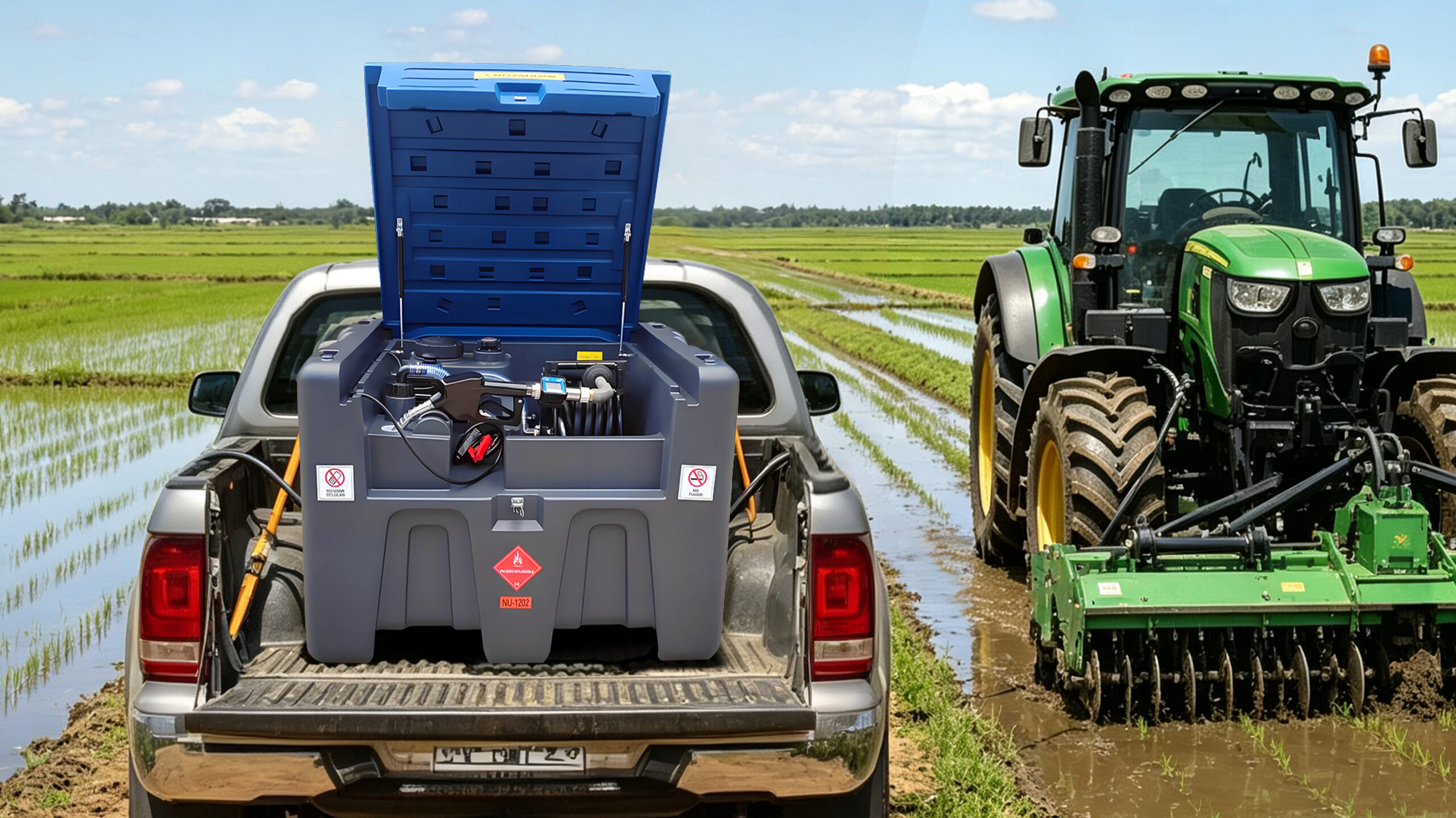
Commercial fleets in South America increasingly rely on exhaust after-treatment systems. For vehicles using selective catalytic reduction (SCR), dependable access to AdBlue, DEF or ARLA 32 is part of keeping trucks operating.
Remote logistics routes, contamination risks and the cost of buying many small containers are encouraging fleet operators to consider mobile dispensing systems.
Key considerations for fleet operators
- Avoiding interruptions: running out of the required exhaust fluid can trigger vehicle warnings and operating restrictions. Follow the vehicle manufacturer's instructions.
- Logistics independence: appropriately sized portable tanks with a suitable electrical pump can support refueling in a yard or at remote work locations.
- Fluid quality: dedicated compatible tanks, pumps and dispensing equipment help protect DEF purity.
- Operating cost: compare bulk purchasing and mobile dispensing with the cost of repeatedly buying small containers.
Four reasons fleets consider portable AdBlue tanks
Long-distance and off-road operations can face waiting time, limited roadside supplies, dust contamination and high small-container costs. A dedicated mobile tank brings the dispensing system closer to the vehicle while supporting cleaner handling.
1. Flexible refueling and less waiting
Trucks serving agriculture, mining and forestry do not always return to the main depot every day. A dedicated 100L to 400L AdBlue system can support refueling from a service vehicle where a suitable installation is available.
Capacity should be matched to the route and actual fleet consumption. Confirm vehicle payload, securing arrangements and any restrictions on mounting before installing the tank.
2. Protecting purity
SCR systems depend on the quality of the urea solution. The ISO 22241 series addresses AdBlue quality and handling requirements; VDA's AdBlue information explains why these requirements matter.
Contact with incompatible metals, dust, fuel residues or unsuitable transfer equipment can contaminate the fluid. Use a tank and complete pump, hose, seal and nozzle assembly specified for DEF or AdBlue service.
Dedicated rotationally molded polyethylene tanks and compatible pump materials are used for this purpose. A clean tank alone does not protect fluid quality if the hose, nozzle or filling container introduces contamination.
3. Practical 12V or 24V dispensing
Repeatedly lifting 20L containers can be slow and physically demanding. Spilled DEF can also dry into crystalline deposits on vehicle panels and connections.
The source equipment range includes dedicated 12V and 24V dispensing systems, with examples in the 17–35 L/min range. Actual filling time depends on the selected pump, hose, nozzle, supply voltage and vehicle reservoir.
Automatic nozzles and a manageable hose can improve the refueling routine. Confirm the specifications of the chosen system rather than applying one flow figure to every tank.
4. Comparing operating costs
Some fleets purchase DEF in 1,000L IBC containers and use smaller mobile systems to serve vehicles. This can reduce repeated trips and small-container handling.
Calculate the potential return using your own delivered fluid price, annual volume, labor time and equipment utilization. Savings and payback vary by operation.
Choosing tank capacity
Match capacity to the number of trucks, reservoir sizes and the period between replenishment of the mobile tank. The following examples illustrate the selection approach.
50L
Example pump configuration
Indicative fleet support
Typical application
100L
Example pump configuration
Indicative fleet support
Typical application
200L
Example pump configuration
Indicative fleet support
Typical application
300–400L
Example pump configuration
Indicative fleet support
Typical application
These examples describe system configurations rather than specifications for every product in our collection. Review the individual tank data before ordering.
Engineering details to check
- Tank construction: look for an appropriate one-piece tank, consistent wall thickness and a material formulation intended for the operating environment.
- Venting: confirm the cap and pressure/vacuum management arrangement specified for dispensing and temperature changes.
- Handling and securing: check molded strap recesses, forklift features where provided, handles and the mounting instructions.
- Compatible dispensing equipment: verify pump materials, seals, electrical protection, weather resistance and fluid compatibility for the entire assembly.
Preventing contamination
Avoid improvising with old metal drums, modified water tanks or equipment previously used for diesel. A system that has held another liquid may leave residues that are unsuitable for DEF.
Use only materials confirmed by the equipment supplier as suitable for AdBlue or DEF. Keep filling connections and dispensing nozzles clean and protect them during storage and transport.
Frequently Asked Questions
How is a portable tank's pump powered in the field?
Depending on the model, a pump can use a compatible 12V or 24V battery supply. The source configurations include electrical cables with battery clamps. Check the pump's rated voltage, connection instructions and cable length for the actual product.
Can DEF freeze in a portable tank?
AdBlue freezes at about −11°C. Follow the tank and vehicle manufacturers' instructions for fill level, expansion space, storage and thawing. Do not assume that every polyethylene tank can tolerate an unrestricted freeze cycle.
Where can I compare dedicated tank options?
Explore the DEF / AdBlue tank collection and check the individual specifications.
Next steps for your fleet
Portable AdBlue systems can support operational flexibility, cleaner handling and more convenient replenishment. Their value depends on matching the equipment to the fleet and maintaining proper fluid-handling practices.
Share the number of vehicles, expected consumption, available voltage and operating route with our team to discuss a suitable configuration.